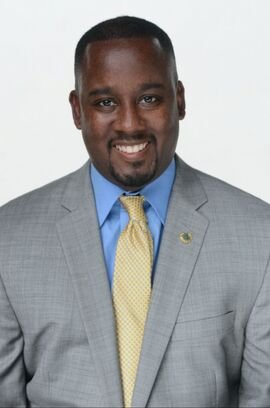
Corey Branch
Questionnaire Responses
1. Public Employee Living Wage Commitment: As a county chapter of the Progressive Caucus of the North Carolina Democratic Party, we require all candidates seeking our endorsement to pledge to advocate for and ensure that public employee salaries meet or exceed a living wage. Please read and sign the pledge here before continuing your endorsement application: https://www.pcncdp.org/pledge. Once you have signed the pledge, please indicate doing so below:
a. [I have signed the Public Employee Living Wage Pledge!]
b. [I have chosen not to sign the Public Employee Living Wage Pledge at this time.]
In addition to the Living Wage Pledge, do you support a living wage for all part-time and seasonal city workers, and believe the city should cover healthcare premium costs? Why or why not?
At this time, some part-time and seasonal workers also have full-time jobs that provide benefits. I would need to have additional conversations to fully understand the liability and overall budget impact. Benefits are funded through the general fund, which is supported by property taxes, so I am open to learning more about the potential additional costs and long-term implications.
Do you support placing limits on the size of campaign donations for candidates running for Raleigh City Council? If so, what should be the maximum amount for all categories of donations? Additionally, have you accepted contributions from the real estate industry or its executives? If yes, from which entities and why did you accept those contributions? Please explain your position and reasoning.
I support donation limits that align with current Board of Elections requirements, recognizing the high cost of campaigning, including printing materials, mailing flyers, and staffing polling locations. For example, one targeted mailing two election cycles ago cost approximately $20,000, and yard signs average about $3.50 each. Without standardized vendors, it can be challenging to keep costs down while still reaching voters. I have accepted contributions from Realtors and Democrats who work as Realtors. Contributions from Realtor groups followed an interview process, while others were based on longstanding relationships. As someone born and raised in Raleigh and deeply engaged in the community, I have built relationships with many individuals who want to see our city thrive.
What is your overall strategy to increase housing supply while maintaining long-term affordability and preventing displacement?
City land acquisition is a critical first step in addressing long-term affordability. Partnering with organizations such as the Raleigh Housing Authority, DHIC, Southeast Raleigh Promise, the Raleigh Area Land Trust, and responsible for-profit developers like Raleigh Raised can help prevent displacement. I also want to strengthen our first-time homebuyer programs, and we are currently asking staff to review existing displacement tools to identify ways to improve their effectiveness.
What requirements should the City impose on large developers to ensure they contribute to affordable housing, sidewalks, transit access, schools, and other community infrastructure?
When development occurs along corridors identified for road improvements, sidewalks, or bus stops, the City of Raleigh can already require those upgrades. We have also worked with developers on stormwater and water improvements depending on project scope, and in some cases developers have agreed to donate land or contribute financially toward future fire stations in Northeast and Southeast Raleigh. I want to continue refining our existing policies to ensure development supports needed infrastructure.
What zoning or land-use changes do you support to reduce sprawl, preserve naturally occurring affordable housing, and promote transit-oriented development?
To reduce sprawl, we need increased density, and “missing middle” housing provides a variety of housing types that support infill development. The Transit Overlay District is designed to concentrate density along Bus Rapid Transit corridors, and the city has purchased land along those routes to help ensure affordable housing is included.
What role should public investment play in preserving existing affordable housing and creating new units, and how should these investments address climate risks?
Public investments such as land acquisition, the use of tax credits, and Requests for Proposals (RFPs) are tools we can use to preserve existing affordable housing and create new units in ways that do not negatively impact communities. I have also asked for projects to engage groups like Partners for Environmental Justice to ensure climate risks and environmental impacts are addressed.
Do you support placing a bond referendum on the Raleigh ballot to fund solar installations on public buildings and reinvest savings into public services and worker pay? Why or why not?
The City of Raleigh has already been able to install solar panels on public buildings without a bond referendum. I would continue to explore using our Capital Investment Fund to cover these costs, rather than relying on a bond, while still advancing renewable energy goals.
What actions will you take to improve public transportation, address climate impacts in vulnerable neighborhoods, and support equitable economic development for workers and small businesses?
I have met with city staff regarding economic development for small businesses, and they have begun reviewing our current programs to ensure they are achieving meaningful impact. The city has added hundreds of trees along roadways to help address climate impacts and has invested in more energy-efficient buildings. As a member of GoTriangle, the City Transit Committee, and Chair of the Safe and Vibrant Neighborhoods Committee, I consistently work to improve transit in my district by adding new stops, increasing bus frequency, and strengthening regional connectivity.
How will you ensure that Raleigh’s city government maintains transparency in budget and policy decisions, provides meaningful opportunities for community engagement, and actively involves residents—particularly historically excluded communities—in shaping city priorities? Please provide specific strategies or initiatives you would implement.
I will ensure city staff hold meetings in every district and partner with organizations that want more information about the budget. I will continue working with CACs that request staff attendance at their meetings, and—consistent with past District C meetings—remain open to discussion and direct questions. Budget issues come up regularly in my community meetings, and I will continue to proactively share information and respond to concerns.