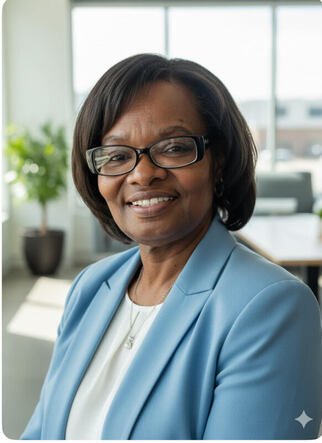
Diana Powell
Questionnaire Responses
1. Public Employee Living Wage Commitment: As a county chapter of the Progressive Caucus of the North Carolina Democratic Party, we require all candidates seeking our endorsement to pledge to advocate for and ensure that public employee salaries meet or exceed a living wage. Please read and sign the pledge here before continuing your endorsement application: https://www.pcncdp.org/pledge. Once you have signed the pledge, please indicate doing so below:
a. [I have signed the Public Employee Living Wage Pledge!]
b. [I have chosen not to sign the Public Employee Living Wage Pledge at this time.]
In addition to the Living Wage Pledge, do you support a living wage for all part-time and seasonal city workers, and believe the city should cover healthcare premium costs? Why or why not?
I support a true living wage for our city’s entire workforce, including part time and seasonal employees, and I believe the city should cover healthcare premiums. No one working for the City of Raleigh should have to choose between a paycheck and their health. When our city relies on people to maintain parks, support youth programs, answer calls, and keep neighborhoods moving, we have a responsibility to ensure they can care for their families and stay in the communities they serve. A living wage is not just about pay, it is about stability, retention, and dignity. Too many essential roles turn over because people cannot afford childcare, rent, or healthcare on what they earn. That constant inconsistency costs residents more in service delays, training, and employee morale than discussed. Covering healthcare premiums is also a smart public safety and economic decision. Healthy workers will be more present, productive, and better able to care for the residents they serve. Raleigh’s growth should not be built on poverty wage labor. Investing in our workforce strengthens service delivery and reflects the kind of city we aspire to be.
Do you support placing limits on the size of campaign donations for candidates running for Raleigh City Council? If so, what should be the maximum amount for all categories of donations? Additionally, have you accepted contributions from the real estate industry or its executives? If yes, from which entities and why did you accept those contributions? Please explain your position and reasoning.
I support reasonable limits on campaign donations for Raleigh City Council races. Raleigh is a city where everyday residents should feel that their voices matter as much as donors with deeper pockets. Ultimately, limits help reinforce trust, reduce perceptions of influence, and allows candidates to spend more time building relationships with all voters instead of big donor fundraising. Regarding real estate donations, I have not accepted contributions from developers or industry executives whose interests could conflict with the priorities of District C. My campaign remains grounded in community support, and I understand any contribution accepted or received must align with what the board of elections require. My responsibility is to residents of the city first, and I intend to keep both the perception of why I’m running and the focus on those whom I hope to serve clear.
What is your overall strategy to increase housing supply while maintaining long-term affordability and preventing displacement?
My strategy is balanced and practical and will align with the current budget to grow housing supply, protect longtime residents, and make sure public dollars deliver measurable affordability.
First, I will use and strengthen existing tools already funded by the City, including the affordable housing bond and housing investments identified in the FY24 proposed budget. These resources should prioritize affordable units, preservation of existing affordable housing, and projects that directly benefit vulnerable households.
Second, I would assist with displacement prevention. Considering options such as expanding rental assistance, tenant support, relocation protections, and home repair assistance for legacy homeowners, while also using preservation incentives so naturally occurring affordable housing is not lost to redevelopment.
Third, new developments must come with enforceable community benefits. I support the approach to mixed income housing through targeted incentives, zoning strategies that allow gentle density where appropriate, and partnerships that require long term affordability covenants, not short term promises.
Fourth, we will protect the community ecosystem by strengthening small neighborhood businesses and ensuring fair access to city contracting opportunities. The 2023 Raleigh Disparity Study highlighted the need for equity and inclusion in contracting and capacity building. I will use those findings as well as newer reports to guide stronger accountability.
Finally, I plan to push for transparent tracking of results, including units created and preserved, affordability levels, eviction trends, and displacement indicators. My goal is to be a District where growth builds opportunity for everyone.
What requirements should the City impose on large developers to ensure they contribute to affordable housing, sidewalks, transit access, schools, and other community infrastructure?
The City should set clear expectations that when large developments benefit from Raleigh’s growth, they must also invest back into the neighborhoods impacted by that growth. I do not believe in a one size fits all rule, because needs differ across Districts. However, I support a framework that ties approvals to community benefits that are measurable.
For housing, that could mean requiring meaningful affordable units, longer affordability covenants, or contributions to community land. For infrastructure, I support negotiated community benefit agreements similar to what is in place that address sidewalks, safe street design, stormwater resilience, and reliable transit access, especially in areas where residents rely on public transportation and walkability. Schools, public safety needs, and environmental impacts must also be evaluated based on location and projected population growth.
Developers, when possible, should partner early with neighborhoods, not after decisions have already been shaped. The FY24 budget emphasizes equity, engagement, and community priorities, which says residents expect transparency and accountability as part of major projects.
What zoning or land-use changes do you support to reduce sprawl, preserve naturally occurring affordable housing, and promote transit-oriented development?
I want to be clear that zoning policy is an area I am still learning, and I am taking time to understand Raleigh’s plans and tools before making sweeping promises. I support land use decisions that reduce sprawl by adding more housing near jobs, services, and existing transit rather than pushing growth farther out. I am open to careful increases in density near transit, but only when tied to strong affordability requirements and protections for naturally occurring affordable housing so residents are not displaced.
Any zoning changes should start with continued community engagement. Families, renters, seniors, and people with disabilities deserve a real voice before decisions are made, and development must meet clear standards for affordability, walkability, and access to reliable transit.
What role should public investment play in preserving existing affordable housing and creating new units, and how should these investments address climate risks?
Public investment should play a steady, responsible role in both preserving existing affordable housing and creating new units, especially where the market alone will not meet the needs of working families, seniors, and vulnerable residents. As a council our aim should be stabilization.
I support using targeted public funds to preserve naturally occurring affordable housing, repair aging homes, and incentivize long term affordability commitments in new development.
Any future investments must also account for climate risk. That means prioritizing resilient building standards, safe locations, flood mitigation, and energy efficient design so families are not placed in harm’s way or burdened with high utility costs. Which has been an unbearable issue for families. In my opinion public investment should create housing that is safe, durable, and protective of both residents and neighborhoods.
Do you support placing a bond referendum on the Raleigh ballot to fund solar installations on public buildings and reinvest savings into public services and worker pay? Why or why not?
I support exploring a solar bond if, and only if, it delivers clear benefits to residents, public services, and city workers, and includes strong consumer protections. Solar can reduce public energy costs over time, which allows us to reinvest savings into services and worker pay. But I also have real concerns based on what families in North Carolina have already experienced.
Too many residents have been hurt by companies that oversold systems, installed faulty equipment, walked away from warranties, or left people with large loans and non working panels. That tells me that technology and affordability are only part of the conversation. Regulation, accountability, and responsible oversight must be part of it as well.
If a bond moves forward, I would insist on strict vendor standards, performance guarantees, transparent cost savings, and protections for taxpayers. In my opinion clean energy and consumer protection are not opposing goals.
What actions will you take to improve public transportation, address climate impacts in vulnerable neighborhoods, and support equitable economic development for workers and small businesses?
When I think about justice and equity as it relates to public transportation, climate impact, and economic development, the first question is simple, can people not only get to work, but can they afford to get there? Can they move around their community to handle everyday errands without losing hours of their day waiting on a bus, or walking in places that were never designed for pedestrians or people using mobility and accessibility equipment?
On public transportation, I will support proposals that improve reliability in Southeast Raleigh, along with the basics that show respect for residents who live in shelters, the homeless, lighting improvements in low light areas that may be unsafe, sidewalks, and safer crossings near bus stops.
On climate impacts, I will prioritize the places that feel it first and often the worst, especially areas facing flooding, and I will support practical remedies that help residents manage rising utility costs.
Finally, on economic development, I will support workers, neighborhood businesses, and nonprofits, not just large projects. That means more local hiring, fair access to contracting opportunities, and real support so small, nonprofit, and minority owned organizations in District C can compete and grow.
How will you ensure that Raleigh’s city government maintains transparency in budget and policy decisions, provides meaningful opportunities for community engagement, and actively involves residents—particularly historically excluded communities—in shaping city priorities? Please provide specific strategies or initiatives you would implement.
For me, transparency begins with trust. If the people of District C elect me, my responsibility is to stay accessible, explain decisions plainly, and make sure residents are involved when possible before outcomes are finalized, not after. I intend to be the person they voted for every day I serve, and that means staying connected and accountable.
Holding regular community meetings in District C, rotating locations so renters, seniors, families, and small business owners all have space to be heard. Providing budget updates, policy proposals, and development projects in language residents can understand, not government jargon. The City’s recent efforts to embed equity and expand outreach in the budget process show this approach works, and I want to strengthen it.
I will continue to advocate for earlier community engagement in planning decisions, with timelines that give neighborhoods the opportunity to respond. That includes listening sessions, online participation platforms, and outreach strategies tailored to historically excluded communities.
I will also publish clear summaries explaining how resident feedback shaped my votes. People deserve to see their voices reflected in policy. Communities are more likely to support policies they helped shape. In my experience, when residents are invited in, having their lived experiences respected, and decisions are made with them, not for them, the outcomes are stronger, fairer, and more sustainable.