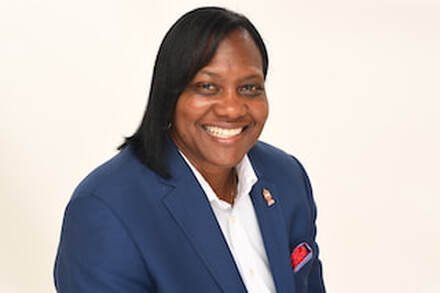
Stormie Forte
Questionnaire Responses
1. Public Employee Living Wage Commitment: As a county chapter of the Progressive Caucus of the North Carolina Democratic Party, we require all candidates seeking our endorsement to pledge to advocate for and ensure that public employee salaries meet or exceed a living wage. Please read and sign the pledge here before continuing your endorsement application: https://www.pcncdp.org/pledge. Once you have signed the pledge, please indicate doing so below:
a. [I have signed the Public Employee Living Wage Pledge!]
b. [I have chosen not to sign the Public Employee Living Wage Pledge at this time.]
In addition to the Living Wage Pledge, do you support a living wage for all part-time and seasonal city workers, and believe the city should cover healthcare premium costs? Why or why not?
In the most recent city budget, there were pay increases for full time staff between 9-11% without raising taxes on residents. Part-time employees received a 5% raise as well. The City of Raleigh does pay a competitive wage to part time employees. Additionally, part time employees that meet eligibility requirements do receive insurance coverage.
Do you support placing limits on the size of campaign donations for candidates running for Raleigh City Council? If so, what should be the maximum amount for all categories of donations? Additionally, have you accepted contributions from the real estate industry or its executives? If yes, from which entities and why did you accept those contributions? Please explain your position and reasoning.
I do not support limiting the amount of campaign contributions. In my previous two elections there were very few donors that contributed the maximum allowable amount to my campaign. In fact, in both of those races, I was significantly outraised by other candidates. Black females, tend to have a harder time raising money than other demographics in the political process. As for my campaign specifically, the money I raise is used locally. I purchase campaign materials from local vendors, especially minority owned and LGBTQ businesses. I also hire people from the community to handle various tasks for the campaign. Often the folks I hire are on a fixed income or having some financial challenges and can use the extra money. I have received donations previously from folks in the real estate industry. In addition to being an attorney, I also have a real estate license. My colleagues have supported my campaigns. There are other long time friends who I have known prior to being an elected official that work in real estate that are also campaign supporters. Additionally, I donate some leftover campaign funds to non profit organizations.
What is your overall strategy to increase housing supply while maintaining long-term affordability and preventing displacement?
I would support an Affordable Housing Bond being added to the ballot as a measure to increase the housing supply. The 2020 Affordable Housing Bond funds have been utilized through partnerships with non profit and affordable housing partners in ways that maximized opportunities throughout the Raleigh community. Many of these projects maintain long term affordability. Also as these projects have expanded the capacity for affordable housing by adding units, it has prevented some displacement. I am specifically referring to projects completed in partnership with organizations such as CASA and the Raleigh Housing Authority. It is important to note, data suggests to solve the affordable housing problem in Wake County, it would require building 65,000 units of housing, not all of which can be built in Raleigh. We welcome collaboration with the county where possible. Additionally, other municipalities are doing important work in this space.
What requirements should the City impose on large developers to ensure they contribute to affordable housing, sidewalks, transit access, schools, and other community infrastructure?
One of the challenges regarding imposing requirements on developers is the response/backlash from the General Assembly. There have been several municipalities that have attempted to place restrictions on developers, only for those actions to be met with changes in the law that restrict the municipalities’ ability to take such actions across the state. In my opinion, it is better to work with developers on a case by case basis to establish the best options for community benefits for proposed projects.
What zoning or land-use changes do you support to reduce sprawl, preserve naturally occurring affordable housing, and promote transit-oriented development?
I certainly support developing more dense housing along transit corridors. Those projects reduce sprawl and are exactly what is needed for our growing city. Projects that will be built along the Bus Rapid Transit corridors hopefully will be models for success for transit-oriented development. I am especially looking forward to growth along the Wilmington Street corridor. That area is definitely in need of expansion. The housing opportunities, combined with retail will create walkable communities that will allow residents in affordable housing a chance to live, work and play in the same area. Finding ways to replicate this approach would be beneficial in other parts of the city.
What role should public investment play in preserving existing affordable housing and creating new units, and how should these investments address climate risks?
I am adopting my answer to Question 4 for this question as well. I definitely believe public investment, especially through bonds, plays a significant role in creating new affordable housing units. There are some challenges with some of the existing affordable housing, as it relates to habitability. At times, replacing, rather than preserving existing affordable housing makes more sense. For example, the Raleigh Housing Authority in partnership with the City of Raleigh will be replacing 120 units of existing affordable housing in Heritage Park with a new project that will produce upgraded, modern units. It is not only about the quantity of NOAH housing but it is also about the quality. Making sure affordable housing is safe and habitable is a priority as well.
Do you support placing a bond referendum on the Raleigh ballot to fund solar installations on public buildings and reinvest savings into public services and worker pay? Why or why not?
I support increasing the utilization of solar energy wherever possible in the City of Raleigh. I certainly favor establishing partnerships with the private sector to expand access to solar energy in affordable housing, as well as in city owned buildings where available. I am hesitant to place a bond referendum on the ballot, as our scheduled bond at this time is for transit. There are several transit infrastructure projects that are behind schedule and need additional funds to be completed. We continue to have an extraordinary amount of affordable housing needs, which may require us putting an affordable housing bond on the ballot ahead of schedule. Additionally, Wake County also has a schedule of bonds that will be added to the ballot. Understanding that the residents of the City of Raleigh will be paying for these bonds through taxes, I would prefer to work with the private sector to find other ways to fund this important climate initiative.
What actions will you take to improve public transportation, address climate impacts in vulnerable neighborhoods, and support equitable economic development for workers and small businesses?
One of the glaring issues for improving public transportation is increased efficiency. Making sure buses are on time and reliable has to be a priority. Also finding ways to have buses operating during the peak hours they are utilized most is important. Recognizing the public transit system is the only means of transportation for some residents, it has to be improved to meet their needs. As for climate impacts in vulnerable neighborhoods, certainly, I believe climate sensitive areas in vulnerable neighborhoods should be protected. There are times that proposed projects will have an overwhelming negative climate impact on a community. I tend not to support those projects being developed. The City of Raleigh has taken on several initiatives since I have been on the council to
support economic development for small businesses. The city has provided resources for the small business community in collaboration with several partners. The city has departments that support entrepreneurship through strategy and innovation, as well as providing opportunities to partner with the city through contracting. The city also conducted a disparity study, at my urging, and has implemented recommendations to ensure minority owned businesses receive fair opportunities to obtain city contracts.
How will you ensure that Raleigh’s city government maintains transparency in budget and policy decisions, provides meaningful opportunities for community engagement, and actively involves residents—particularly historically excluded communities—in shaping city priorities? Please provide specific strategies or initiatives you would implement.
The city has a very active Community Engagement department. There are public meetings held all over the city, mainly in parks and recreation facilities to inform the community about proposed policy changes and to obtain feedback regarding changes being made or actions being taken by the city. Additionally, we have several boards and commissions that advise the City Council regarding potential policy changes and other initiatives. Serving on those boards provides an opportunity for citizens to be engaged with the city. Certainly, finding ways to increase diversity and participation by residents from historically excluded communities is a priority.